

Best Flooring for High Traffic Homes That Last
A busy home leaves evidence on the floor first. Shoes collect grit at the entry, chairs scrape beneath the kitchen table, pets race down the hallway, and children turn the living room into a daily play zone. The best flooring for high traffic homes is not simply the hardest surface available. It is the material that can handle your household's real routines while still making the space feel finished, comfortable, and distinctly yours.
For Pennsylvania homeowners, the right answer often comes down to three leading choices: luxury vinyl plank, hardwood, and laminate. Each can perform beautifully when selected for the right room and installed with the care it deserves. The key is looking beyond a sample board and considering moisture, pets, sunlight, maintenance habits, and the condition of the subfloor beneath it.
What High Traffic Really Means in a Home
High traffic does not have to mean a large household. A couple with two dogs and a frequently used back door may put more stress on a floor than a family of five with a formal living room that is rarely used. Entryways, kitchens, hallways, family rooms, laundry areas, and open-concept main floors usually take the most consistent wear.
The most common sources of damage are small but persistent: abrasive dirt tracked indoors, standing water near doors, dropped items, furniture movement, and repeated foot traffic in the same pathways. A floor may look excellent on installation day but still disappoint if its surface, core, or finish is not suited to those conditions.
That is why material selection should start with your life at home, not a showroom label. Consider where people enter, whether pets have access to the room, how quickly spills are cleaned, and whether you prefer a floor that can be refinished or one that requires very little upkeep.
Best Flooring for High Traffic Homes by Material
Luxury vinyl plank: the practical all-around choice
Luxury vinyl plank, often called LVP, is one of the strongest options for active households because it combines a realistic wood look with impressive resistance to everyday wear. Quality products have a protective wear layer that helps guard against scuffs, scratches, and stains. Many are also waterproof, making them especially useful in kitchens, mudrooms, bathrooms, and lower-level spaces where moisture is a concern.
LVP is comfortable underfoot, quieter than tile, and easier to maintain than many natural materials. Regular sweeping and occasional damp cleaning are generally enough to keep it looking sharp. For homes with dogs, children, or frequent entertaining, that practical maintenance routine can be a major advantage.
Not all vinyl plank is built to the same standard, however. Thickness, wear-layer quality, locking system, texture, and core construction all affect performance. A bargain product may not hold up well at seams or under heavy furniture. Professional preparation of the subfloor also matters. Even a durable plank can feel uneven, separate at joints, or show premature wear if it is installed over an unsuitable surface.
For many Pennsylvania homeowners, LVP is the best balance of durability, design flexibility, and value across a high-use main floor.
Hardwood: timeless beauty with a maintenance trade-off
Hardwood remains a foundational investment for homeowners who want natural character, warmth, and lasting appeal. It brings depth to a home that manufactured materials can imitate but never fully duplicate. In the right setting, hardwood can also be refinished over time, extending its service life and allowing a future change in color or sheen.
For high traffic areas, the species, plank construction, finish, and color selection matter as much as the decision to use wood itself. Harder species and high-quality factory finishes provide better resistance to daily wear. A textured or low-sheen finish can help disguise minor scratches and dust more effectively than a very smooth, glossy floor. Medium wood tones often hide everyday activity better than extremely dark or pale finishes.
Hardwood does require a more attentive approach. It is not the ideal choice for rooms that routinely see wet shoes, puddles, or repeated pet accidents. Grit should be removed regularly, moisture should be addressed quickly, and felt pads should be used under furniture. Homeowners who appreciate the natural aging of wood often see small marks as part of its character. Those who want a nearly worry-free surface may be happier with LVP instead.
Engineered hardwood can be a smart alternative where moisture and humidity changes are greater concerns. Its layered construction improves stability, while the real hardwood top layer preserves the appearance homeowners value. The specific product still needs to be matched to the room and installation conditions.
Laminate: durable value for dry, active spaces
Modern laminate is far more convincing than the laminate flooring many homeowners remember from years ago. It can offer realistic wood visuals, strong scratch resistance, and a budget-conscious route to a clean, updated interior. In bedrooms, hallways, living rooms, and other dry areas, a well-made laminate floor can hold up well to daily foot traffic.
The trade-off is water exposure. Many current laminate products offer improved water resistance, but that does not make every laminate floor suitable for a wet entryway, full bathroom, or a room where spills may sit unnoticed. Water that reaches seams or the core can cause swelling and edge damage that cannot be sanded away or easily repaired.
Laminate is a strong choice when scratch resistance and cost are leading priorities, the space is dry, and the product is installed correctly. It is less forgiving than LVP in moisture-prone areas, so room-by-room planning is often wiser than selecting one material for every space in the house.
Tile: a tough solution for targeted rooms
Tile deserves consideration for the hardest-working zones, particularly mudrooms, laundry rooms, bathrooms, and entrances. It resists water and can handle decades of traffic when professionally installed. Porcelain tile is especially durable and available in wood-look, stone-look, and modern large-format styles.
Its limitations are comfort and temperature. Tile can feel cold underfoot during Pennsylvania winters, and its hard surface is less pleasant for long periods of standing. Grout also needs proper sealing and cleaning. Rather than carrying tile through an entire living area, many homeowners use it strategically at exterior doors or in bathrooms, then transition to LVP, hardwood, or laminate elsewhere.
The Details That Determine Long-Term Performance
Material matters, but the installation details determine whether a floor truly performs. High traffic exposes shortcuts quickly. An uneven subfloor can create movement and gaps. Poor transitions can become trip hazards. Inadequate expansion space can cause a floating floor to bind as temperatures and humidity shift.
A professional flooring consultation should account for subfloor condition, existing floor height, room transitions, moisture concerns, and the way natural light affects the selected color. It should also address trim, stair details, furniture placement, and whether the floor will continue into adjoining spaces. These decisions create the polished, intentional result homeowners expect from a long-term improvement.
Protecting the floor after installation is equally straightforward. Use walk-off mats at exterior doors, but avoid rubber-backed mats that can discolor certain finishes. Add felt pads beneath chairs and furniture, use a protective mat under rolling office chairs, and sweep regularly to remove grit before it becomes abrasive. A simple routine does more for the finish than harsh cleaners ever will.
How to Choose the Right Floor for Your Household
If you need one dependable material across a kitchen, living room, hallway, and pet-friendly entry, luxury vinyl plank is usually the most practical starting point. It handles moisture and activity well without asking much of your schedule.
If natural materials and long-term refinement are central to your renovation, hardwood may be worth the additional care. Choose it for dry main living spaces, then consider a more water-resistant material near doors, bathrooms, and laundry areas. This combination can feel cohesive while respecting how each room is used.
If budget and scratch resistance are your primary concerns, laminate can deliver an attractive result in dry, high-use rooms. Select a quality product and do not overlook installation preparation simply because the material itself is affordable.
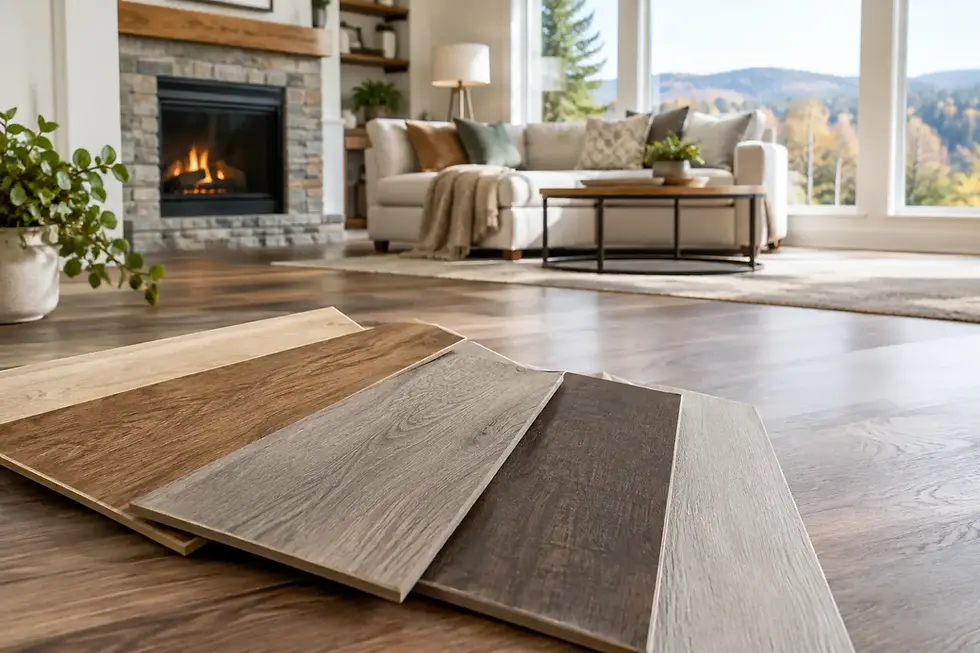
At Piruzza Flooring LLC, an in-home mobile showroom makes this decision easier by letting you compare colors and textures where they will actually live. Light, cabinetry, wall color, and adjoining rooms can change the way a floor looks far more than a small store sample suggests.
A floor built for traffic should not make a home feel industrial or cautious. Choose the surface that supports how you live, invest in precise installation, and give it the everyday care it needs. The result is a space ready for muddy boots, family dinners, quiet mornings, and everything that makes a house feel lived in.


Comments