

Can Flooring Improve Home Value? What Pays Off
A worn carpet path through the living room, laminate that has lifted at the kitchen sink, or a patchwork of floors from room to room can change a buyer’s first impression before they notice anything else. So, can flooring improve home value? In many Pennsylvania homes, yes - but the greatest return comes from choosing a floor that suits the home, performs well for daily life, and is installed with lasting precision.
Flooring is not a guaranteed dollar-for-dollar return on every project. Appraisers, buyers, neighborhood expectations, the condition of the rest of the home, and local market conditions all influence the outcome. Still, updated floors can make a home feel cleaner, more current, and more move-in ready. That affects both perceived value and the confidence a buyer brings to an offer.
Why flooring has such a strong effect on buyers
Floors are one of the largest visible surfaces in a home. They connect every room, influence how light moves through a space, and set the tone for cabinetry, wall color, furniture, and trim. When floors look dated or damaged, even a well-kept home can feel like it needs more work than it actually does.
New flooring also removes a common source of buyer uncertainty. Buyers may see stained carpeting and wonder about pets, moisture, or odors. They may see scratched wood or uneven transitions and worry about the expense of repairs. A durable, professionally installed floor gives them one less project to plan for after closing.
That is especially meaningful for move-up buyers and busy families who want a home they can enjoy immediately. A cohesive flooring update does more than photograph well for a listing. It helps rooms feel connected, comfortable, and intentionally finished.
Can flooring improve home value in every room?
Some rooms carry more weight than others. Living rooms, family rooms, kitchens, entryways, and primary bedrooms are often the best places to focus because they are highly visible and heavily used. Updating these spaces can improve the overall impression of the home more than replacing flooring in a rarely used room.
The entryway deserves particular attention. It is the first interior surface guests and buyers experience, and it needs to stand up to wet shoes, grit, and regular traffic. A floor that looks polished while handling real use signals that the home has been maintained with care.
Kitchens and open-concept main levels are another high-impact opportunity. Using one compatible floor across connected spaces can make the home appear larger and more cohesive. That does not always mean every room needs identical material. It means transitions should feel thoughtful, colors should work together, and each surface should fit the room’s demands.
Bathrooms are different. Moisture resistance matters more than carrying the same look into every corner of the home. A bathroom remodel paired with a durable, water-conscious floor can create a meaningful transformation, particularly when the existing space feels dated or difficult to maintain.
Choosing materials buyers can live with
The right material is rarely the most expensive one. It is the one that delivers the right balance of appearance, durability, maintenance, and fit for the home’s price range. Over-improving can limit the financial return, while choosing a low-grade floor for a high-traffic household can shorten the life of the investment.
Hardwood for timeless character
Hardwood remains a strong choice for homeowners who value natural warmth, long-term appeal, and a classic architectural look. It can be especially fitting in older Pennsylvania homes, formal living areas, dining rooms, and properties where buyers expect premium finishes.
Its trade-off is maintenance. Hardwood can scratch, dent, and react to changes in moisture if it is not properly selected and installed. It is usually not the best choice for every bathroom, below-grade space, or household with intense daily wear. When hardwood is appropriate, however, its natural variation and refinishing potential can support long-term appeal.
Luxury vinyl plank for practical, polished living
Luxury vinyl plank has become a popular value-focused upgrade because it can offer a realistic wood look along with excellent everyday durability. It is a practical option for active households, pets, kitchens, finished basements, and areas where moisture is a concern.
Not all luxury vinyl is made alike. Wear-layer quality, core construction, underlayment needs, subfloor condition, and installation method all affect how the floor performs. A premium product with correct preparation can look refined and handle years of use. A rushed installation on an uneven subfloor can create gaps, movement, or premature wear that undermines the investment.
Laminate for the right budget and setting
Modern laminate can provide attractive wood visuals at a more accessible price point. It can work well in bedrooms, living spaces, and other dry areas where homeowners want a durable surface without the cost of hardwood.
The key is being realistic about water exposure. While many products offer improved water resistance, laminate is not automatically the right solution for every wet or high-risk area. Selecting material based on how the room is actually used protects both the look of the floor and the home’s value over time.
Installation quality protects the value of the upgrade
Material selection gets attention, but installation is where a flooring project earns its durability. Buyers may not know the technical terms for expansion gaps, moisture testing, subfloor leveling, or transition profiles. They do notice floors that creak, separate, bounce, cup, or look uneven in natural light.
Professional installation begins before the first plank is placed. The existing floor and subfloor need to be evaluated for flatness, moisture, structural concerns, and removal requirements. In older homes, this preparation is often the difference between a floor that simply looks new on day one and one that stays stable through changing seasons.
Clean details matter as well. Properly fitted trim, consistent transitions, careful cuts around doorways, and thoughtful layout make the finished room look complete. These are the details that reinforce a buyer’s sense that the home has been improved rather than quickly covered over.
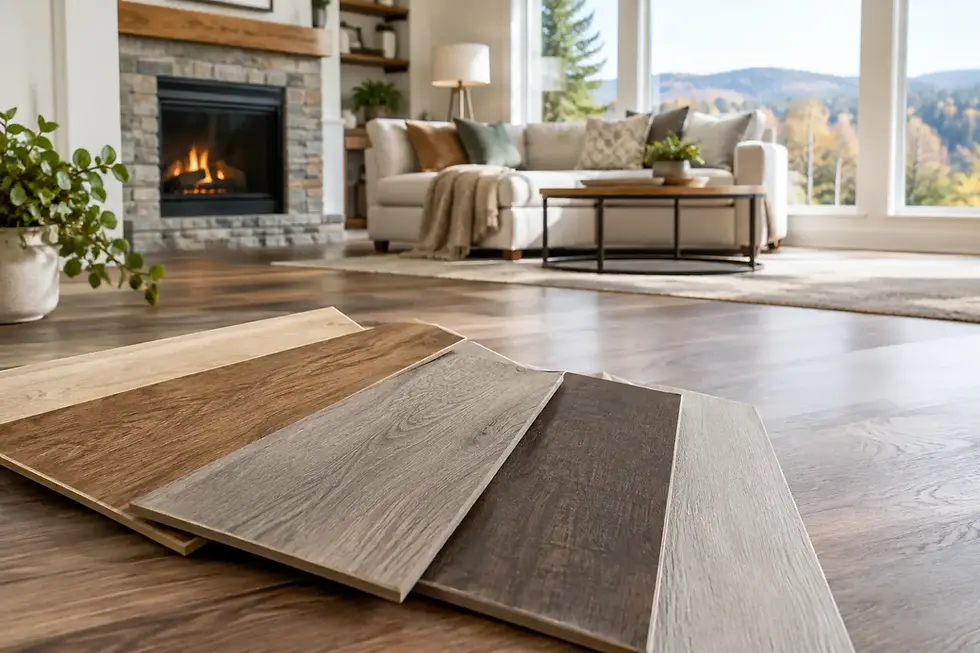
At Piruzza Flooring LLC, the selection process can begin in the home, where samples are viewed alongside existing cabinets, paint, lighting, and furnishings. That context helps prevent a common mistake: choosing a color that looks right under showroom lights but feels too cool, too yellow, or too busy once it is installed.
Avoid upgrades that work against resale
Personal style belongs in a home, but highly specific choices can narrow a future buyer pool. Very dark floors may show dust and scratches more readily. Extremely pale floors can reveal dirt in busy entryways. Distressed textures, unusual patterns, and bold colors can be beautiful, yet they may not suit every home or market.
A better approach is to choose a floor with broad appeal while allowing personality to come through in rugs, furniture, paint, and accessories. Warm natural tones, medium wood looks, and well-coordinated neutral finishes tend to give future buyers room to imagine their own belongings in the space.
It also pays to match the project to the home. Installing premium hardwood in a damp basement is not a wise value move. Replacing every surface in a house while leaving major visible repairs unresolved may not produce the result a homeowner expects. Flooring works best as part of a well-prioritized improvement plan.
How to plan a flooring project with value in mind
Start with the floor’s current condition and the role each room plays. If only a few areas are worn, a targeted replacement may be more sensible than a whole-home project. If the main level is fragmented by several dated materials, a coordinated update may create the stronger transformation.
Next, consider how long you plan to stay. Homeowners preparing to sell soon may prioritize neutral colors, visible rooms, and durable materials that help the home show well. Homeowners staying for years can place more emphasis on comfort, maintenance preferences, and the needs of children, pets, or aging family members. Both approaches can add value because a floor that performs well is easier to maintain and more appealing when it is time to sell.
Finally, do not overlook product protection and project communication. Clear expectations around preparation, installation timing, care, and warranty coverage make the investment easier to manage. Flooring should feel like a lasting improvement to everyday life, not another source of uncertainty.
The most valuable floor is one that makes your home feel finished the moment you walk in, then continues to perform through busy mornings, family gatherings, and the years ahead. Choose it with the home’s character and your real daily routines in mind, and the value will extend well beyond a future listing.


Comments