

How to Budget Flooring Replacement Without Surprises
A flooring estimate can look straightforward until the old floor comes up. A room that seemed like a simple replacement may need subfloor repair, furniture moving, trim work, or a better transition into the next space. Knowing how to budget flooring replacement means planning for the finished floor and the work required to make it perform beautifully for years.
For Pennsylvania homeowners, the best budget is not simply the lowest number. It is a clear plan that balances the look you want, the daily demands on the space, and the quality of installation beneath your feet.
Start With the Full Scope of Your Flooring Replacement
Before comparing products, define exactly what is being replaced. Measure every room, closet, hallway, and stair area included in the project. A professional measurement is worth having because flooring is ordered by square footage, but cuts, layout direction, and room shape affect how much material is actually needed.
Then decide where the project begins and ends. Are you replacing flooring in one room, an entire first floor, or connecting several rooms with one continuous surface? A larger installation can sometimes improve the per-square-foot labor value, but it also increases material, preparation, and temporary disruption costs.
The scope should also answer practical questions early: Will appliances, toilets, or heavy furniture need to be moved? Are baseboards staying in place? Will the new floor change the height where it meets tile, carpet, or hardwood? These details are not minor add-ons. They are part of a clean, complete result.
Build Your Budget Around Four Cost Categories
A reliable flooring budget separates the project into materials, removal and preparation, installation labor, and a contingency reserve. When those categories are visible, it is easier to compare proposals fairly and avoid a price that looks attractive only because key work is missing.
Materials: More Than the Price of the Plank
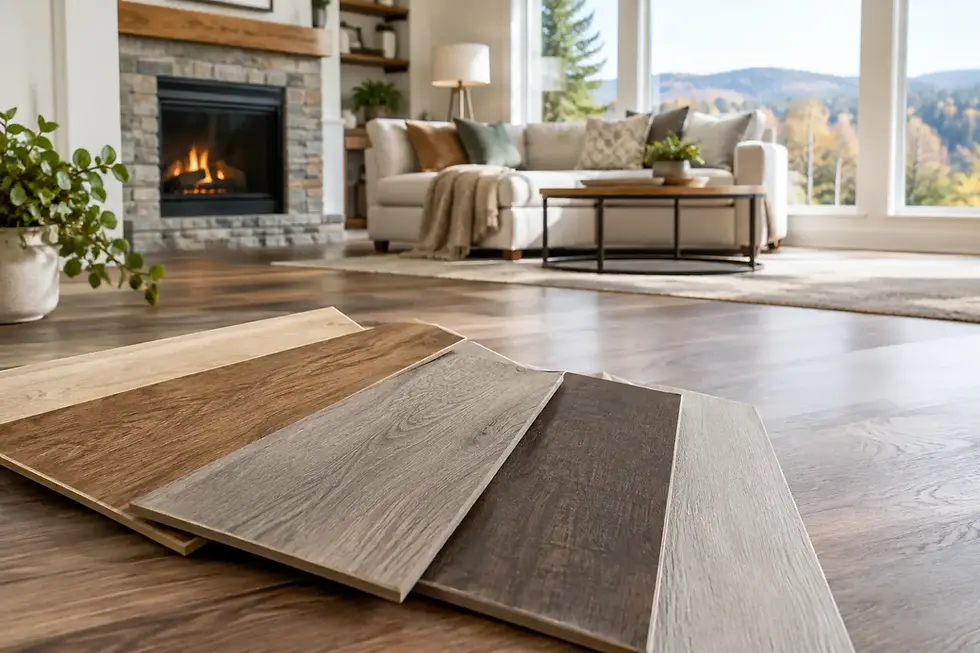
Flooring material is often the largest visible line item, and it should be chosen for more than initial cost. Luxury vinyl plank can be an excellent value for active households because it offers a wide range of wood-look styles, durable wear layers, and easier moisture resistance than many natural materials. It is especially practical in kitchens, entryways, basements, and family spaces.
Laminate can provide a polished look at a lower material cost, particularly in dry areas with moderate traffic. Its performance depends on the quality of the product, the core construction, and careful installation. Hardwood generally requires a larger up-front investment, but its natural character, refinishing potential, and long-term appeal can make it a strong choice for living rooms, dining rooms, and other spaces where timeless design matters.
When comparing products, ask what is included with the flooring itself. Underlayment, moisture barriers, adhesive, trim pieces, stair noses, reducers, and transition strips may be necessary for a complete installation. A budget based only on the price shown on a sample tag will be incomplete.
Plan for waste as well. Most projects need additional material for cuts, pattern matching, damaged pieces, and future repairs. Simple rectangular rooms usually require less overage than rooms with angled walls, islands, multiple doorways, or detailed plank layouts. A professional installer can recommend the appropriate amount rather than leaving you short halfway through the job.
Removal and Preparation: The Costs That Protect the Finish
Existing flooring has to be removed before a replacement can be installed correctly. Carpet and floating floors may come out relatively quickly, while glued-down materials, old tile, or multiple layers of previous flooring can require more labor. Disposal should be included in the conversation, especially for larger projects.
Subfloor preparation is the category homeowners should never overlook. New flooring needs a clean, dry, and level base. If there are soft spots, uneven areas, moisture concerns, squeaks, or damage from a past leak, the issue should be addressed before installation. Covering it may save money for a day, but it can lead to movement, gaps, noise, or premature wear later.
In older Pennsylvania homes, floor height can also affect door clearance, baseboards, and transitions between rooms. These adjustments may be modest, but budgeting for them early keeps the project moving without rushed decisions.
Installation Labor: Precision Is Part of the Investment
Installation pricing reflects more than putting planks on the floor. Professional labor includes layout planning, acclimation requirements when applicable, surface preparation, precise cuts, expansion spacing, transitions, and finishing details. In a visible living space, those details determine whether the new floor feels like a true upgrade.
Labor costs vary with the flooring type and site conditions. A wide-open room with a flat subfloor is not the same as a home with stairs, built-ins, radiators, diagonal layouts, or several connected rooms. Hardwood and detailed custom work often require more time and specialized skill than a basic floating-floor installation.
Be cautious with estimates that provide one broad number without explaining what the installer will handle. A transparent proposal should make it clear whether it includes removal, subfloor work, furniture moving, trim, transitions, cleanup, and warranty protection. That clarity gives you a real basis for comparison.
Contingency: Give the Project Breathing Room
Set aside a contingency fund, typically 10% to 15% of the project total, for conditions that cannot be fully confirmed until removal begins. You may not need it, but it protects your timeline and your choices if hidden damage or leveling needs appear.
A contingency is not permission for vague pricing. It is a practical reserve for legitimate surprises. If it goes unused, you can keep it, apply it toward an upgraded finish detail, or use it for a related improvement such as new baseboards or a bathroom refresh.
Compare Flooring Options by Lifetime Value
The least expensive floor is not always the most affordable floor over time. Think about who uses the room, how often it is cleaned, whether pets are part of the household, and how likely moisture is to be present. A busy entryway needs a different solution than a formal dining room.
For example, investing a little more in a durable luxury vinyl product may reduce concerns about muddy shoes, pet traffic, and everyday spills. Choosing hardwood may make sense when its warmth and resale appeal align with your long-term plans. Laminate may be the right fit when you want a significant visual update in a low-moisture area while keeping the material budget controlled.
Do not assume that one product is best throughout the home. Many homeowners create a cohesive design by using one durable surface in high-traffic areas and a different material where comfort, acoustics, or a more traditional appearance is the priority. The goal is a home that works well, not a one-size-fits-all specification.
Ask for an Itemized Estimate Before You Commit
A detailed estimate turns a broad idea into a usable budget. Ask the contractor to identify material quantity and product level, removal and disposal, subfloor preparation allowances, installation, finishing pieces, and any work that is excluded. If furniture moving, appliance disconnects, plumbing, painting, or baseboard replacement is outside the scope, know that before installation week.
It also helps to compare estimates based on the same product quality and preparation standards. One quote may be lower because it uses a thinner product, excludes transitions, or assumes the subfloor needs no work. Another may cost more because it accounts for the details that keep the floor stable and finished-looking.
At Piruzza Flooring LLC, in-home material selection can make these decisions easier. Seeing samples beside your cabinetry, wall color, and natural light helps you choose with confidence before the order is placed. It also allows the project team to evaluate room conditions in person rather than relying on assumptions.
Find Savings That Do Not Compromise the Floor
There are smart ways to manage a flooring budget without cutting into durability. Keeping a straightforward plank direction, choosing a readily available product line, completing the project in logical phases, or retaining baseboards that are in good condition can reduce costs. Scheduling before a larger renovation is complete can also prevent damage to brand-new flooring from later construction work.
Savings become risky when they eliminate needed subfloor repair, reduce material overage too far, or put installation in inexperienced hands. Flooring is a foundational surface. Once furniture is back in place and life resumes, problems caused by rushed preparation are difficult and expensive to correct.
Make the Budget Serve the Home You Want to Live In
A well-planned flooring replacement should leave room for both practical needs and the finish details that make a space feel complete. Set your target budget, reserve a realistic contingency, and use an itemized proposal to understand where every dollar goes. Then choose the floor that supports the way your household actually lives.
The right investment is the one that feels comfortable underfoot, stands up to everyday use, and still looks right when you walk through the room years from now.


Comments