
What Drives Your Flooring Installation Cost?
A new floor can make a busy kitchen feel brighter, give a living room a more finished look, or replace worn surfaces that no longer fit the way your family lives. But flooring installation cost is not determined by square footage alone. The material you choose, the condition of the subfloor, room layout, removal work, and installation details all shape the final investment.
For Pennsylvania homeowners, the right question is not simply, “What is the cheapest floor?” It is, “What floor will perform well in this room, look right in my home, and be installed to last?” A clear estimate should help you answer all three.
What Is Included in Flooring Installation Cost?
A professional flooring estimate typically combines materials, installation labor, preparation, and the finishing details that make the completed room look intentional rather than incomplete. Every project is different, but a transparent quote should explain what is included and where variables may affect the total.
Material is often the most visible part of the budget. Luxury vinyl plank, laminate, engineered hardwood, and solid hardwood each have different price points, performance characteristics, and installation requirements. A less expensive product may make sense for a low-traffic guest room, while a premium waterproof vinyl or hardwood floor may be the better long-term choice for a main living area.
Labor reflects more than placing planks or boards across a room. Proper installation includes measuring, layout planning, cutting around doorways and vents, maintaining necessary expansion gaps, securing transitions, and creating a clean finish at walls and thresholds. Precision matters because small errors can lead to gaps, movement, uneven seams, or premature wear.
Preparation and finishing work can also be a meaningful part of the estimate. This may include removing existing flooring, moving appliances or furniture, repairing the subfloor, installing underlayment, replacing baseboards, or adding trim and transitions. These details protect the performance of the new floor and should not be treated as an afterthought.
The Biggest Factors That Affect Flooring Installation Cost
Square footage matters, but it is only the starting point. Two rooms with the same dimensions can have very different installation needs.
Flooring Material and Product Quality
Luxury vinyl plank is a popular option for homeowners who want a realistic wood appearance, strong durability, and practical water resistance. Its price can vary based on thickness, wear layer, texture, locking system, and visual design. Higher-quality vinyl often provides better stability and a more convincing finish, especially in large, open spaces where the floor is seen from several angles.
Laminate can offer an attractive wood-look floor at a budget-conscious price, but product quality and moisture resistance vary widely. It is often a strong fit for bedrooms, living rooms, and other dry areas when installed over a properly prepared subfloor.
Hardwood brings natural character and timeless value, but it generally requires a larger investment in both material and installation. Species, board width, grade, finish, and whether the floor is solid or engineered all influence cost. Hardwood can be an excellent choice when homeowners want a floor with lasting visual appeal and the potential for refinishing over time.
The best material is not always the most expensive one. It is the one that suits the room’s moisture exposure, foot traffic, maintenance expectations, and overall design direction.
Subfloor Condition and Preparation
New flooring needs a stable, level, and dry surface beneath it. If the subfloor has low spots, squeaks, water damage, cracks, or uneven areas, those issues should be addressed before installation begins.
Skipping this work may reduce the initial quote, but it can create problems later. Floating floors can flex or separate, hardwood can develop movement, and uneven areas can make a finished floor feel less solid underfoot. Preparation is one of the clearest examples of why an accurate flooring estimate requires an on-site evaluation rather than a quick price based only on room dimensions.
Existing Floor Removal
Removing old carpet is usually different from removing glued-down vinyl, ceramic tile, hardwood, or multiple layers of old flooring. Tile removal, in particular, can involve additional labor, debris handling, and subfloor repair after the old material is lifted.
Homeowners should also consider the possibility of hidden conditions. An existing floor may conceal moisture damage, adhesive residue, loose subfloor panels, or past repair work. A professional contractor can identify visible concerns before the project starts and explain how unexpected conditions would be handled if they are uncovered.
Room Layout and Installation Complexity
A simple rectangular room is generally more straightforward than a space with several closets, angled walls, kitchen islands, stair landings, fireplaces, built-ins, or floor vents. Each cut and transition takes time, especially when the finished result needs to look clean from room to room.
Open-concept homes can also require more layout planning. The direction of the planks, the location of transitions, and the way flooring aligns with hallways or adjacent rooms all affect the visual flow. A thoughtful layout can make a home feel more connected, while a rushed one can make even high-quality flooring look less refined.
Moisture Protection and Underlayment
Underlayment is not a one-size-fits-all add-on. Depending on the flooring product and the installation location, it may provide cushioning, sound reduction, vapor protection, or minor subfloor smoothing. Concrete slabs, basements, and spaces near exterior doors deserve particular attention because moisture conditions can affect long-term performance.
The correct underlayment must match both the flooring product and the manufacturer’s installation requirements. Using the wrong product, or omitting needed moisture protection, can put the floor at risk and may affect warranty coverage.
Why a Low Flooring Quote Can Become Expensive
A lower estimate is not automatically a bad estimate. It may reflect a more economical material, a simple room layout, or a project with little preparation needed. The concern arises when a quote leaves out necessary work or fails to explain what is and is not included.
Before selecting a contractor, ask whether the estimate accounts for removal, subfloor preparation, underlayment, trim, transitions, furniture moving, cleanup, and disposal. Also ask how repairs or hidden conditions are handled. Clear answers help prevent a project from growing more expensive after work begins.
Professional installation protects the value of the materials you purchase. Premium flooring cannot compensate for an uneven subfloor, improper expansion spacing, poorly finished edges, or transitions that do not sit securely. The floor should feel solid, look consistent, and function comfortably in daily life.
How to Plan a Flooring Budget That Fits Your Home
Start with the rooms that will have the greatest impact on how you use your home. A durable new floor in a family room, kitchen, entryway, or primary bedroom can change the feel of the entire space. If your project includes several rooms, completing them together may also create a more cohesive look and reduce the number of transitions between materials.
It helps to separate your budget into three categories: the flooring material, the installation work, and a contingency for necessary preparation or repairs. That final category is especially useful in older homes, where subfloor conditions are harder to predict until existing materials are removed.
Consider long-term ownership, not just the day-one price. A floor that stands up to pets, children, wet shoes, furniture movement, and regular cleaning can be a better value than a lower-cost option that needs replacement sooner. For rental properties and commercial spaces, durability, scheduling, and ease of maintenance may carry even more weight.
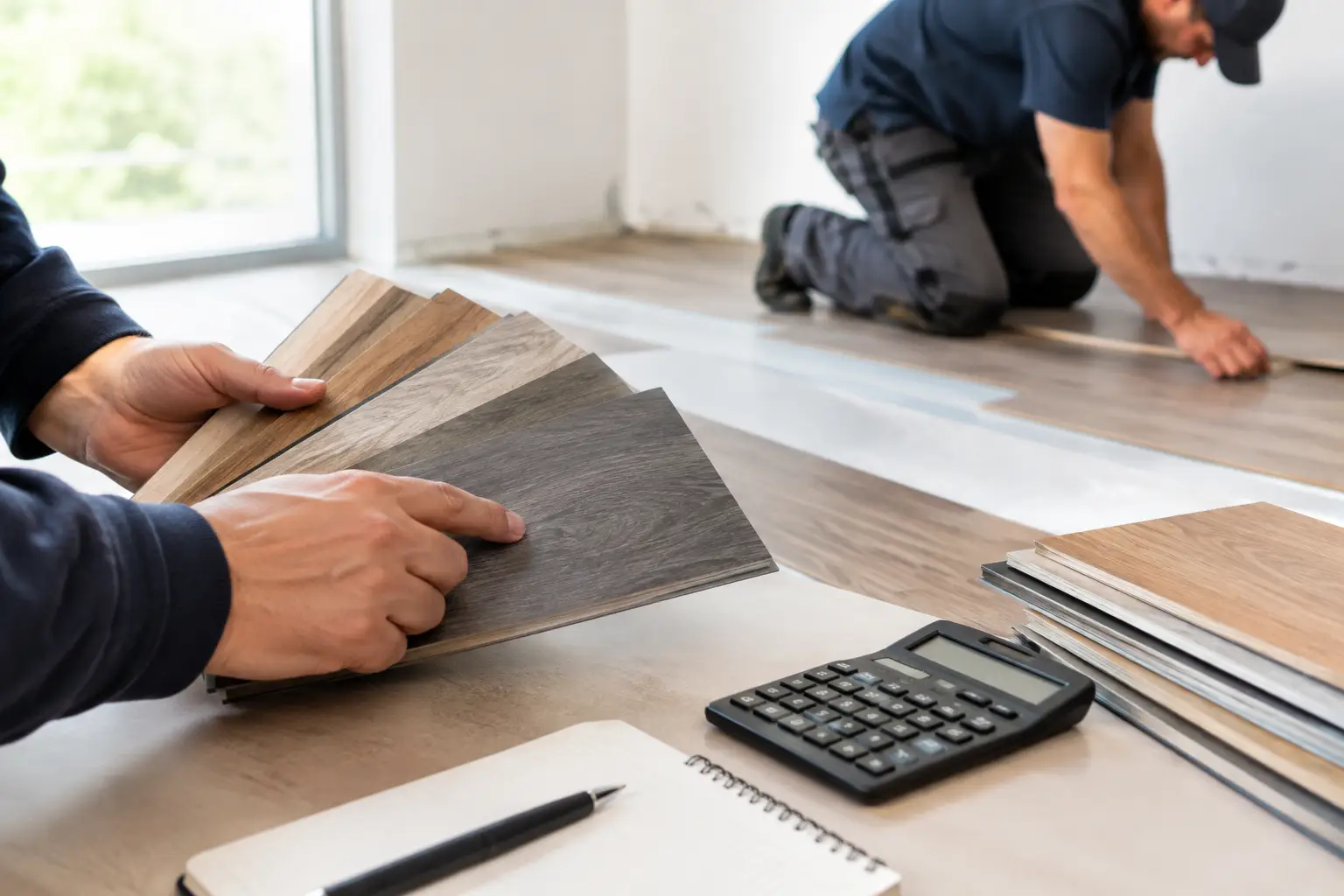
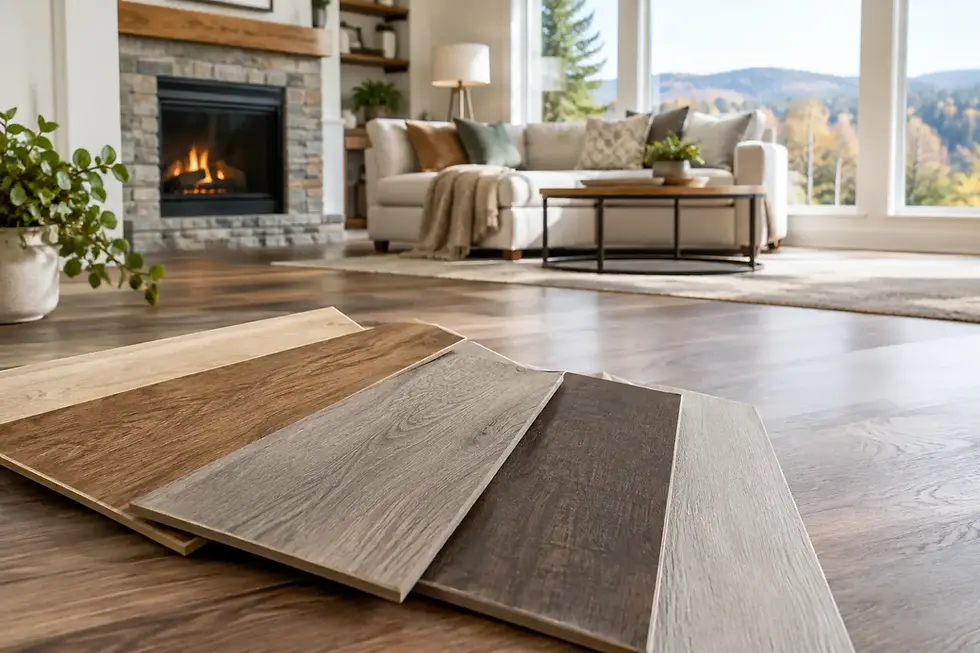
An in-home consultation is valuable because colors and textures can look very different under your lighting. Seeing samples next to cabinetry, paint, furniture, and natural light helps you choose a floor that works with the home you have, not just a display rack. Piruzza Flooring LLC brings that selection process directly to homeowners, pairing material guidance with a clear view of the installation requirements.
Get an Estimate Built Around the Finished Result
The most useful flooring estimate is not the shortest one. It is the one that shows how your material, your space, and the installation process come together. When you understand the factors behind flooring installation cost, you can compare options with confidence and invest in a surface that supports your home for years to come.
Choose a contractor who takes the time to inspect the space, discuss how the room is used, and explain the work behind a lasting finish. That conversation is where a new floor begins to become a real transformation.


Comments