

Flooring Wear Layer Guide for Lasting Floors
A floor can look perfect in the showroom and still be the wrong choice for a busy entryway, a kitchen with two dogs, or a rental property that sees constant turnover. This flooring wear layer guide explains what that protective surface actually does, how it differs by material, and how to choose a floor that continues to look good after real life happens.
The wear layer matters because flooring is not judged on installation day alone. It is judged after chairs have been pulled out thousands of times, winter boots have crossed the room, toys have been dragged across the surface, and sunlight has filled the same spot for years. The right material and protective layer help preserve the color, texture, and value of your investment.
Flooring Wear Layer Guide: Start With the Material
A wear layer is the protective top portion of a flooring product. Its construction changes depending on whether you choose luxury vinyl plank, laminate, engineered hardwood, or solid hardwood. That distinction is where many homeowners get tripped up.
With luxury vinyl plank, the wear layer is a clear protective coating above the printed design film. It shields the visual layer from scuffs, scratches, stains, and daily foot traffic. The thickness is usually measured in mils, with one mil equal to one-thousandth of an inch. A 12-mil wear layer is not 12 millimeters thick. It is a thin but meaningful protective surface designed for routine use.
Laminate flooring has a transparent aluminum oxide overlay rather than a vinyl wear layer measured in mils. This top layer provides excellent resistance to scratching and surface wear, particularly when paired with a quality core and proper edge protection. Laminate durability is commonly described through AC ratings, not wear-layer thickness.
Engineered hardwood has a real wood veneer over a stable core. That veneer is its wear layer. A thicker veneer generally gives the floor more potential for refinishing over its lifetime, but the species, factory finish, room conditions, and installation method still matter. Solid hardwood is made from one piece of wood, so it does not have a separate wear layer in the same way. Its substantial wood thickness can allow for refinishing multiple times when maintained properly.
Luxury Vinyl Wear Layers: What the Mil Number Means
For Pennsylvania homes, luxury vinyl plank is often a practical choice for active households, kitchens, mudrooms, finished basements, and bathrooms. It provides a comfortable surface underfoot, realistic wood and stone visuals, and strong moisture resistance. The wear layer is central to how well it handles everyday activity.
A 6-mil wear layer can work in a low-traffic room, such as a guest bedroom or a lightly used office. For most occupied homes, 12 mil is a more dependable starting point. It offers better protection for ordinary family traffic, pets, and the occasional dropped item. A 20-mil wear layer is a strong option for households with large dogs, children, frequent entertaining, or high-use spaces such as kitchens and main-floor living areas.
For commercial settings, a 20-mil or heavier product is often worth considering, especially in offices, retail spaces, corridors, and waiting areas. However, thickness alone does not determine performance. The quality of the urethane coating, the texture of the plank, the stability of the core, and the manufacturer’s warranty all influence long-term results.
A thicker wear layer does not make luxury vinyl indestructible. Sharp furniture feet, grit trapped under chair legs, and heavy appliances moved without protection can damage even premium flooring. Felt pads, entry mats, and careful furniture handling remain part of protecting a finished floor.
Do You Always Need 20 Mil?
Not necessarily. Choosing the highest wear layer for every room can add cost without delivering a noticeable benefit. A quieter upstairs bedroom does not have the same demands as a family room connected to the backyard. Matching the product to the room is a smarter approach than paying for specifications you may never use.
The exception is when consistency matters to your design plan. If you want one continuous floor through an open-concept first level, it often makes sense to select a product durable enough for the busiest space. That way, the kitchen, living room, and hallways share the same beautiful finish without compromise.
Laminate Ratings and Real-World Durability
Laminate is sometimes overlooked by homeowners who remember older products, but modern laminate can offer impressive scratch resistance and convincing wood visuals. Its protective overlay is especially useful in rooms where abrasion is the primary concern.
Instead of mils, look at the Abrasion Class, or AC, rating. AC3 is commonly suitable for busy residential spaces. AC4 is built for heavier residential use and many light commercial applications. Higher ratings can be appropriate for commercial environments, but they are not automatically the best fit for every home.
Water protection deserves separate attention. A high AC rating speaks to surface wear, not necessarily to how long the flooring can resist moisture at seams or edges. In a kitchen, laundry room, or entryway, ask about the product’s water-resistance specifications and ensure the floor is installed according to manufacturer requirements. A well-made laminate floor still needs spills wiped up promptly.
Engineered Hardwood: Veneer Thickness and Refinishing
Homeowners choose engineered hardwood for the warmth and natural character that only real wood brings. It can be a strong fit for living rooms, dining rooms, bedrooms, and open main levels, particularly when you want a timeless material with more dimensional stability than traditional solid hardwood in certain conditions.
The hardwood veneer may range from a thin decorative surface to a substantial layer several millimeters thick. A thicker veneer generally gives a qualified flooring professional more room to refinish the surface in the future. Products with a thinner veneer may be suitable for many homes, but they offer less margin for aggressive sanding or repeated refinishing.
This is where a product’s finish deserves as much attention as veneer thickness. Factory-applied finishes can be exceptionally durable, but no finish is immune to deep scratches, water exposure, or pet accidents left unattended. Wood also develops character over time. Some homeowners welcome that natural patina; others prefer the more uniform appearance of luxury vinyl or laminate.
If refinishing is a priority, discuss it before selecting the floor. It is far easier to choose the right veneer thickness and installation method at the planning stage than to discover years later that the floor has limited refinishing options.
Wear Layer Is Only One Part of a Lasting Floor
The strongest protective surface cannot correct a poor installation or an unsuitable subfloor. Moisture testing, subfloor preparation, expansion allowances, and correct transitions all affect how a floor performs. Gaps, movement, edge damage, and premature wear often begin below the visible surface.
Daily maintenance matters, too. Fine grit acts like sandpaper under shoes and furniture. Use mats at exterior doors, sweep or vacuum regularly with a hard-floor setting, and follow the manufacturer’s cleaning recommendations. Avoid soaking laminate or wood floors, and skip harsh cleaners that can leave residue or dull the finish.
Room conditions should guide the decision. A waterproof vinyl floor may be the practical answer for a finished basement. Laminate may be ideal for a scratch-prone family room that does not face frequent moisture. Engineered hardwood may be the right choice when natural material and long-term design value are the priority. There is no single best wear layer for every home.
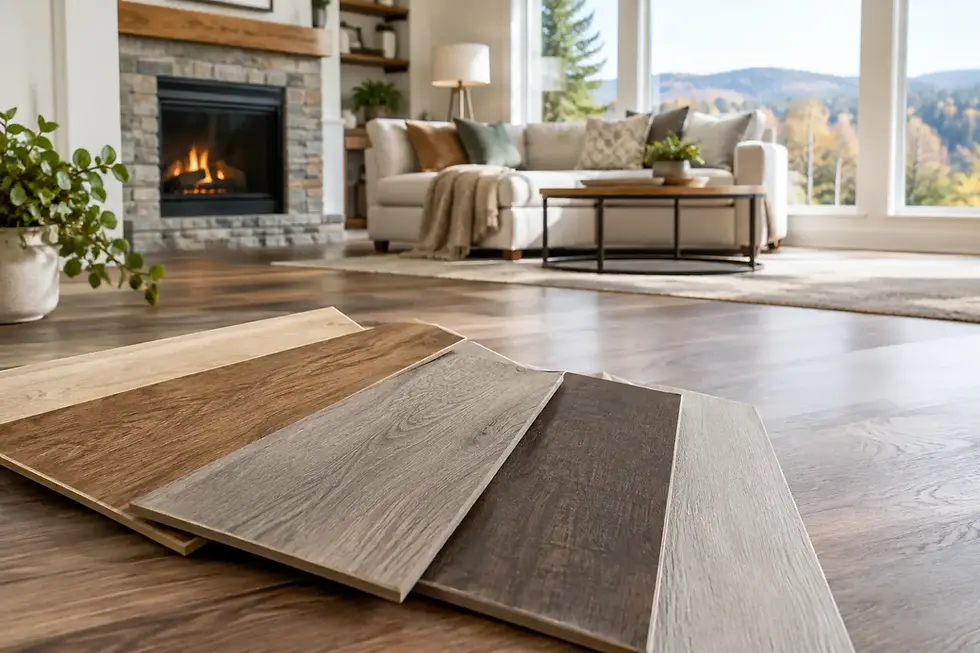
A personalized material selection process makes those decisions clearer. Seeing samples in your home helps you compare color, texture, and sheen against your lighting, cabinetry, wall color, and existing furnishings. It also creates an opportunity to talk through the traffic patterns that a showroom display cannot show.
At Piruzza Flooring LLC, we help homeowners look beyond a single specification and choose floors built for the way their spaces are actually used. The best wear layer is the one that supports your design vision while giving your family the confidence to live comfortably on the floor every day.


Comments